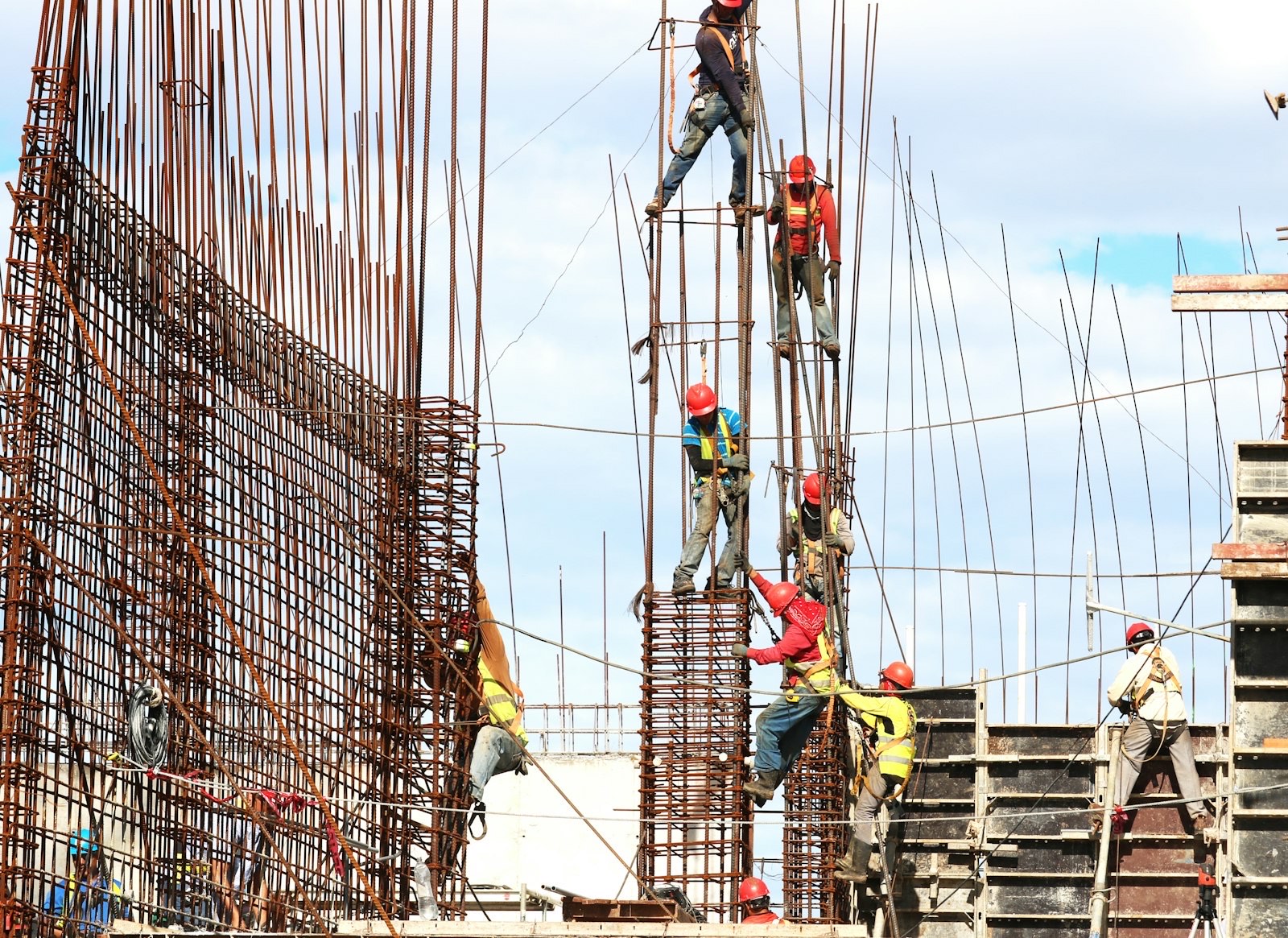
How to Find Rebar in Concrete Before You Drill
How to find rebar in concrete without breaking in: cover meters, rebar locators and GPR, what each one tells you, and how to locate bars before drilling.
Plain-English answers on scanning, surveying and structural testing, from the team that does the work. Written to help you scope the right survey and read what comes back.
How to find rebar in concrete without breaking in: cover meters, rebar locators and GPR, what each one tells you, and how to locate bars before drilling.
HSG47 is the HSE guidance on avoiding danger from underground services. Here are its three essentials: plan, locate and identify, and dig safely.
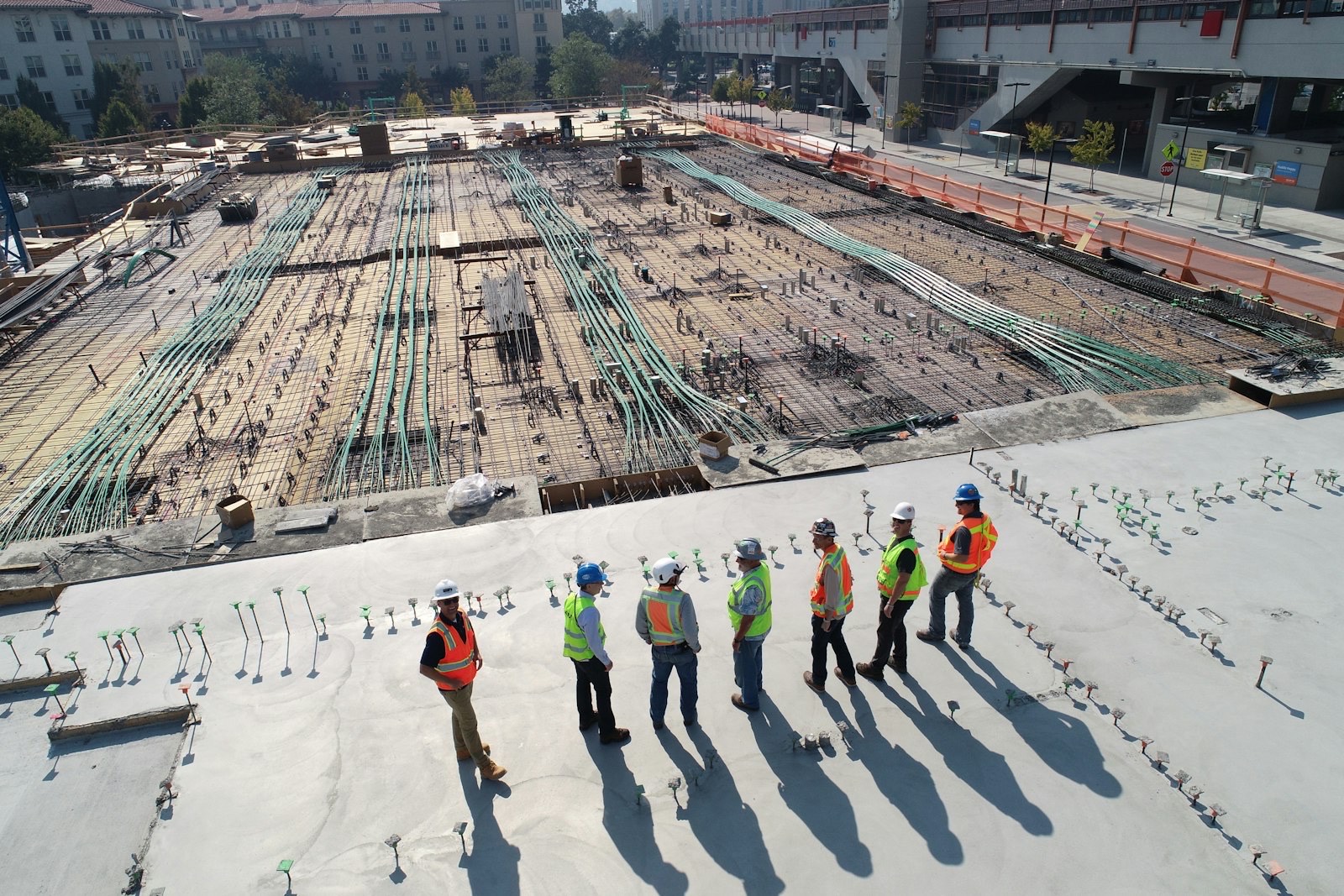
How accurate ground penetrating radar is, why depth estimates carry a tolerance, and the soil, frequency and skill factors that decide the result.

Drone roof inspections compared with scaffolding and traditional access: how they differ on cost, speed, safety and when each still makes sense.
What a GPR survey costs in the UK, why prices run from hundreds to thousands a day, and the factors that set your quote. Cited figures inside.

What a topographical survey costs in the UK, the factors that drive the price (site size, detail, access, location) and why a fixed quote beats a headline rate.
Scaffold anchor testing to NASC TG4:19 proves that ties will hold. Here is the difference between preliminary and proof tests, and the loads used.
A plain-English guide to scan to BIM LOD: what LOD 200, 300 and 350 mean, how to choose the right level, and why mixing levels by element saves money.
What a utility survey costs in the UK, from desktop searches to on-site PAS 128 detection, and the factors that set the price. Cited figures inside.

The difference between a measured building survey and a topographical survey: what each records, when you need which, and why many projects need both.

What a point cloud is, how laser scanning creates one, the file formats you get (E57, LAS, RCP) and how it becomes drawings and BIM models.
Concrete scanning with GPR needs one-sided access and no radiation. Concrete X-ray needs two-sided access and exclusion zones. Here is how the two compare.
CBR tests and plate bearing tests both assess the ground, but they measure different things. Here is what each one tells you and when to specify which.
Cutting a post-tension tendon is one of the worst things that can happen on a coring job. Here is how to locate PT cables with GPR and core safely.
A plate bearing test measures how the ground behaves under load. Here is how it works, the BS 1377 standard, and how it signs off working platforms to BR 470.
An anchor pull test proves a fixing will carry its design load. Here is how proof and allowable load testing to BS 8539 works, and when you need each.
Whether you need a utility survey before excavation, what the law and HSG47 expect, and how a PAS 128 survey reduces the risk of a service strike.
PAS 128 quality levels explained: QL-D, QL-C, QL-B (B1 to B4) and QL-A, what each confidence level means and which one your project needs.
Ferro scanning locates ferrous reinforcement in concrete and measures cover and bar size using electromagnetic detection. Here is how it works and when to use it.
A GPR survey uses ground penetrating radar to locate rebar, services and voids without breaking ground. Here is how it works, what it finds and its limits.